The Good Fertilizer
Article By Helen Lovell Wayne, MS
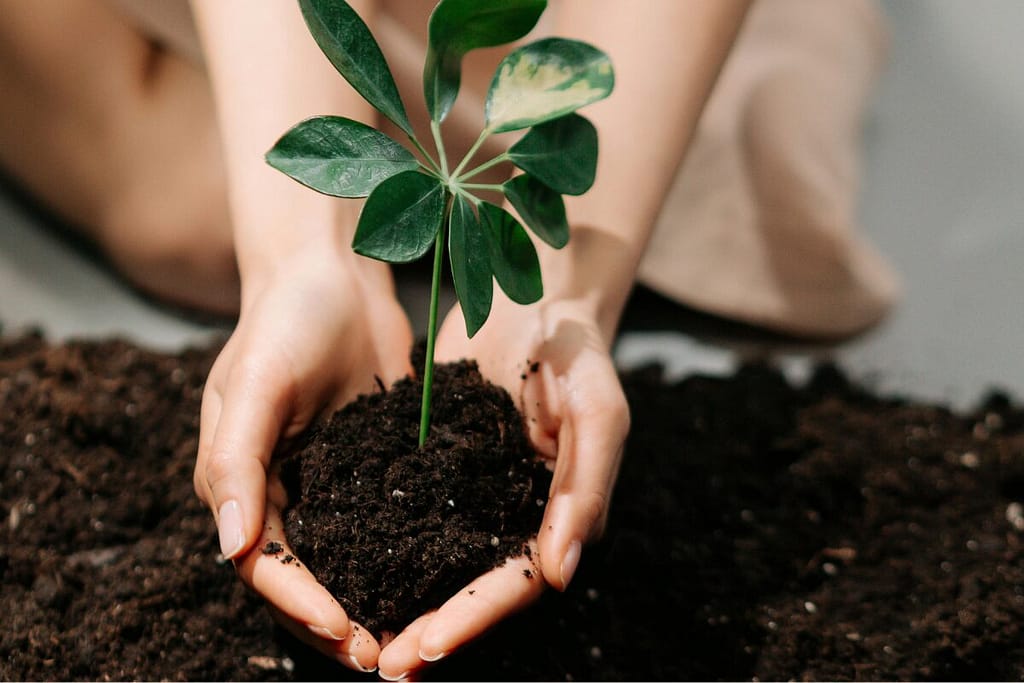
Picture by Ron Lach

https://www.instagram.com/agreenerftr/?hl=en
This paper was written with the sole intention of informing consumers about the fertilizer they may currently be buying. Hopefully, with enough demand from consumers, industries will supply safer and more sustainable products.
With the human population booming all over the world, there has been increased pressure on farmers to produce more food in less space. To meet this demand, farmers utilize fertilizers. Inorganic fertilizers (meaning chemical fertilizers) cause tremendous ecological problems. They leech the soil of nutrients (P. Barak et al. 1997), consequently causing eutophication which depletes nearby waterways of oxygen (Evanylo, G. et al 2008). Additonally they pollute the air and utilize an intensive amount of energy (in both production and transport) to create (C. Synder et al 2009). Lastly inorganic fertilizers release greenhouse gases (J. Zou 2005), and put dangerous heavy metals into the soil (Z. Atafar et al 2010). There are steps the average consumer can take to enable farmers to minimize the use of inorganic fertilizers.
🐴ALTERNATIVES TO CHEMICAL FERTILIZER🍂
Organic fertilizers (composed of plant material or feces) have environmental consequences as well. Some introduce heavy metals into the soil (Evanylo, G. et al 2008). They all produce methane, which is a greenhouse gas (C. Synder et al 2009). However, organic fertilizer uses less energy to produce and transport, does not leech the soil of nutrients, spares the air, and adds minimal pollution nearby waterways (Gkisakis, V et al 2020). Reducing chemical fertilizers with organic alternatives reduces nitrous oxide emissions and improves soil health (Oad, F, Buriro, U and Agha 2004). At this point in time, some amount of inorganic fertilizers is necessary to maintain output (C. Synder et al 2009)
In the best possible world, farmers would use legumes as fertilizers. The plants in this family add nitrogen to the soil, and thus act as a natural fertilizer (Jaramillo, D. et al 2018). Some farmers plant legumes in every other row with their cash crop and then switch the rows the next year (Pradesh, V. 2018). Other farmers plant a cash crop one year and legumes the next (Pradesh, V. 2018). Fortunately, there is a market for legumes: chickpeas, beans, soybeans, peanuts, peas, etc. So farmers can sell the legumes in their off year.
🍓REDUCE UZILTIZATION OF FERTILIZER💦
Other measures farmers can take involve finding the spots where the soil lacks nutrients and only applying fertilizers to that area (Mosier, A, Seyers, J and Freney, J. 2004). In addition to the correct timing and application of inorganic fertilizers, the amount utilized can be greatly reduced (C. Synder et al 2009). These practices assume the farmer has the knowledge to implement them. These measures would obviously decrease expenditures, adding to the bottom lines
The average consumer knows little to nothing about how grocery stores produce the food they buy. However, there is a section in most grocery stores where organic produce is sold. These fruits and vegetables are grown without chemical fertilizers or pesticides. By buying these goods, the consumer can put less demand on the farmers using chemical fertilizers. Organic produce tends to be more expensive than the equivalent item made with chemicals. So money-conscious consumers might not have the luxury of this choice.
🫐FERTILIZER AND FARMERS MARKETS🌽
For those with less disposable income, there are still options. Farmers’ markets are available in most municipalities. Traditionally, most of the farmers in these places only use organic fertilizers. Some cities and towns don’t allow farmers to sell in these places that use any form of inorganic fertilizers. However, some do allow farmers of all stripes to sell their produce. It is best to ask the farmers directly how they fertilize their crops. Those that are organic will proudly tell the consumer. The sellers are not using a middleman, and they tend to have farms close by. This results in lower prices than those of inorganically grown crops sold in grocery stores.
🏡FERTILIZER YOUR OWN YARD 🍓
Some people do not have access to farmers’ markets. They can still make a difference. If a consumer owns the property either in front of or behind their house, they can plant something that produces food. These plants can include trees, bushes, or annuals. To reduce chemical fertilizer use, it is imperative that consumers use organic fertilizers. To be truly organic, the consumer should also use organic herbicides. (For more information on gardening with organic herbicides, see The Weeds in the Willows.
For every fruit, nut, or vegetable that a homeowner produces, equates to one less produced from a commercial farm. If enough people do this, they will reduce the need for food production on commercial farms, thereby requiring less inorganic fertilizer to meet the nation’s food demand.
🥬COMMUNITY GARDEN FERTILIZER🧄
There are people who do not have access to farmers’ markets and don’t own land. Nevertheless some of these people still have options. Many cities and towns have community gardens. These are places where anyone in the community can plant food for themselves. If enough people take pressure off the commercial farms, they could use little to no chemicals to produce the food for an expanding population.
Chemical fertilizers (inorganic fertilizers) causes tremendous ecological problems and requires an enormous amount of energy to produce and transport. Organic fertilizers are much better for the environment. Consequently the average consumer can make a large difference to our planet by buying organic at the local grocery store or farmers’ markets. Another option is to grow some of your own food using organic fertilizers. By going organic, a consumer spares our air, water, soil, and ultimately the food supply.