Nature Flew Over The Cuckoos Nest
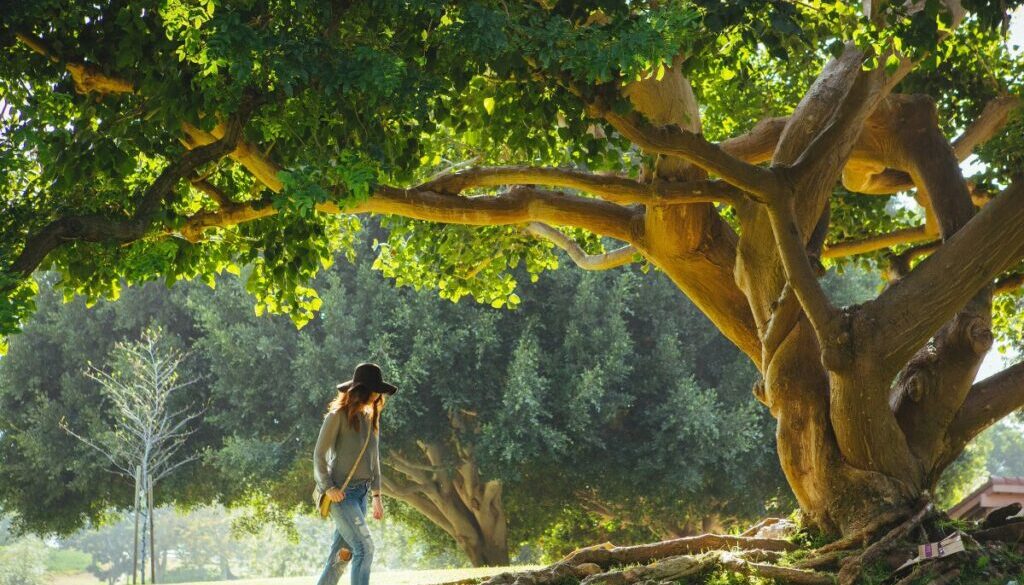
Picture by Kevin Young
Article by Helen Lovell-Wayne, MS
https://www.instagram.com/agreenerftr/
https://www.linkedin.com/in/helen-lovell-wayne/
In most industrialized countries, daily life is composed of screens and fluorescent lights. These creature comforts make life more convenient and offer escape from both nature and natural predators. However, it is becoming increasingly apparent that modern life is making people physically sick. Middle-aged people with no apparent health problems are complaining of a lack of energy and lower resistance to diseases (Lee, J. et al 2012). The modern world is killing us in ways other than the obvious toxic air and water. With other options failing, researchers are experimenting with nature therapy, and the results are surprising.
One of the problems with modern society is that our sympathetic nervous system is overstimulated (Lee, J. et al 2012). This results in high stress levels to the point that our bodies can’t function properly (Lee, J. et al 2012), which in turn causes stress-related problems such as high blood pressure, anxiety, depression, anger, and fatigue (Qing Li 2022). These conditions can cause physical conditions such as hypertension, depression, cardiovascular diseases, stroke, gastric ulcer, obesity, alcoholism, panic disorder, and eating disorders (Qing Li 2022). The idea behind nature therapy is to bring the body back to its “natural state” to combat the above-mentioned physical ailments.
🫀Nature Therapy Effects 🧠
Nature therapy or forest bathing is a growing field of study across industralized most notably in Japan and the United States. Nature therapy goes by different names depending on the location. It goes by forest bathing, horticultural therapy, wilderness therapy, and earthling. Regardless of the name, all nature therapy is same basic premise. It involves going to green areas for a period of time to connect with nature. There are sub-branches of the field that involve doing something active, like gardening or hiking in the outdoors. Regardless of the approach, the idea is to spend time away from screens and artificial lights in natural areas for better mental and physical health. The overriding question is, does nature therapy actually work?
A Systematic evaluation of this urban intervention remains understudied. Researchers, for instance took the blood samples from otherwise healthy adults and recorded blood pressure, heart rate, and stress hormones. Then they had the participants spend 4-6 hours in nature. Then the researchers took the blood samples again and recorded vital signs and compared the results. Both men and women appear to have both benefited from their time in nature, but the benefits differed by gender. Male participants experienced a larger change in their anxiety levels as a result of nature-based therapy compared to females (Qing Li 2022). Meanwhile, female participants experienced lower systolic blood pressure and slower heart rate than males (Zeng et al., 2020).
🦠Nature and Natural Killer Cells 🛡️
Additionally, these studies measured natural killer cells. In the human immune system, natural killer (NK) cells play an important role in the body’s defense. They protect and help the body destroy bacteria, viruses, tumors, and cancer (Qing Li 2022). Without enough NK cells, the body is more vulnerable to the diseases caused by the pathogens mentioned above. After a nature therapy session, NKC cells increased by up to 56%.
Nature therapy has mental health benefits as well. A systematic review of physical activity research suggests that, compared with exercising indoors, outdoor exercise is more strongly associated with positive mental health. Other research has revealed a lower incidence of depressive symptoms in neighborhoods with greater access to green spaces ( Jennings, V. et al. 2015)
🍃Nature Therapy Conclusions 🤣
In other words, just being in nature is good for both our physical and mental health. Spending extended periods in nature, once a month or more, can help prevent disease and boost overall energy. This brings our body back to its natural state. Unfortunately, nature therapy is rarely prescribed or recommended by health care professionals. Instead of waiting for Western medicine to catch up to this simple solution, each one of us can do our part in keeping ourselves healthy.
Take a long walk on the beach, or sit on a bench in a garden, or hike in your local park. In the words of environmentalist Edward Abby “Wilderness is not a luxury but a necessity of the human spirit. Schedule a time at least once a month to just be in nature. Your life will be better for it, John Muir said it best. “Of all the paths you take in life, make sure a few of them are dirt.”
Text content